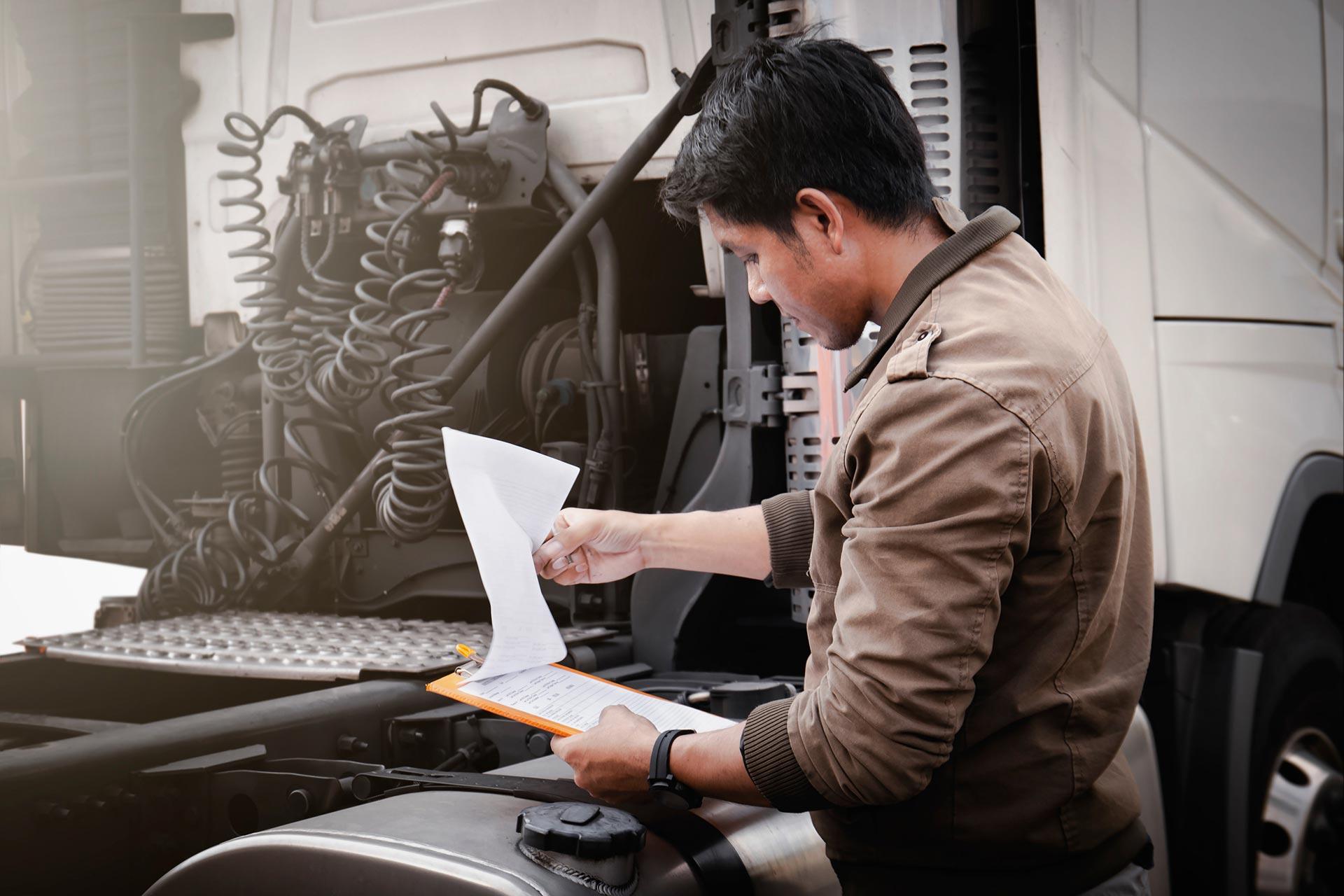
7 Steps to Becoming a Successful Owner-Operator in the U.S.
November 22nd, 2025
By Arrow Truck Marketing

Becoming an owner-operator appeals to drivers for good reason. You control your schedule, choose your loads, and build a business around your goals, not someone else’s. But independence comes with responsibility. Success doesn’t happen because someone buys a truck and heads to the highway. It comes from preparation, planning, and the day-to-day discipline of running a business that happens to roll on 18 wheels. If you’re ready to take the next step in your driving career, here’s a practical roadmap built around the core decisions every owner-operator faces.
Start With the Foundation: Licensing and Record
Every strong owner-operator story begins behind the wheel as a company driver. Earning your CDL is step one, but building a clean driving history is what sets you up for long-term success. Carriers, brokers, shippers, and insurers rely on safety records to gauge reliability. That means:
Avoiding preventable accidents
Maintaining a clean roadside inspection record
Protecting your CSA score
Completing endorsements if you plan to haul specialized freight (tanker, hazmat, doubles/triples)
Think of your early driving years as your professional reputation in motion. A clean record opens doors later to lower insurance premiums, more carrier partnership options, and access to high-value freight.
Form the Business and Build the Paper Trail
Driving skill matters, but owner-operators succeed because they build a business. Key early decisions include:
Choosing a business structure
Many drivers operate as an LLC for liability protection and tax flexibility. Sole proprietorships are simpler, but they don’t provide separation between personal and business assets. Work with a tax professional if possible; the right setup matters long-term.
Obtaining your operating authority
This includes your:
USDOT number
MC number (if running under your own authority)
Unified Carrier Registration (UCR)
BOC-3 process agent filing
You also need to know which permits are required for the freight you plan to haul.
If you prefer stability and lower upfront administrative load, leasing to a carrier is an option. Leasing simplifies startup tasks and often reduces insurance costs, but gives you less control versus operating independently. There’s no one right answer, just match the choice to your goals and comfort level.
Secure Commercial Truck Insurance
Insurance is one of the biggest startup hurdles. Premiums reflect experience and driving history, so the clean record you built earlier matters. Required and common coverages include:
Primary liability
Physical damage
Cargo insurance
Occupational accident or workers’ comp coverage
Bobtail/non-trucking liability (if leasing to a carrier)
Request multiple quotes. Ask questions about deductibles, downtime coverage, rental reimbursement, and freight category exclusions. Over-insuring costs money, but under-insuring risks your entire business.
Build the Financial Foundation
Owner-operators don’t just drive; they manage cash flow. Startup success depends on proactively planning for both predictable and unexpected expenses.
Before launching, budget for:
Down payment or full purchase cost on the truck
Registration, permits, and insurance deposits
Maintenance fund (many drivers start with $10,000–$20,000)
First few months of fuel, tolls, food, and parking
Emergency savings for personal expenses
Understand fixed vs. variable expenses:
Fixed costs (insurance, permits, truck payment) stay consistent.
Variable costs (fuel, maintenance, tires, repairs) fluctuate.
Prepare conservative revenue projections and lean on experienced drivers or financial consultants when needed. The goal is sustainability, not stress.
Choose the Right Truck for the Work
Choosing your first truck is a big milestone. It’s also a decision that determines your business efficiency from day one.
Key factors include:
Freight type (reefer, dry van, flatbed, specialized)
Engine specs (torque, horsepower, fuel economy)
Transmission preference (manual, automated manual)
Axle ratings and gear ratios
Sleeper size and comfort needs
New vs. used
New trucks come with warranties and modern fuel efficiency, but higher payments.
Used trucks offer lower upfront costs and proven models, but require careful inspection and maintenance planning.
One more choice to make early in the process is leasing vs buying. Buying builds long-term equity and gives you full ownership, while leasing can offer lower upfront costs, predictable payments, and easier upgrades if you want newer equipment more frequently.
When you shop smart, choose based on your freight goals, and partner with sellers who understand the industry, any path can work. Arrow Truck Sales works with owner-operators every day, helping match the right truck to freight goals and budget.
Build Freight Relationships and Manage Operations
Trucking independence doesn’t mean going solo; it means building a network. Owner-operators typically begin by:
Working with freight brokers
Hauling for load boards
Leasing to carriers
Establishing direct relationships with shippers over time
Direct freight relationships pay more and provide consistency, but they take time and reliability to earn. Meanwhile, stay organized:
Keep logs, receipts, invoices, and maintenance records
Track mileage for tax deduction accuracy
Schedule annual compliance filings
Maintain digital and paper copies of key documents
A strong operational system keeps you on the road and out of trouble.
Maintain Profitability and Build Your Reputation
The path to long-term owner-operator success lies in the everyday habits that keep a business running smoothly.
Focus on fundamentals such as:
Maintenance discipline
Track service intervals, fix issues early, and follow a preventive schedule. Unexpected downtime hurts margins more than planned service.
Route planning
Optimize routes for fuel stops, parking access, weigh station locations, and delivery windows. Time saved is profit earned.
Fuel management
Fuel is your biggest variable expense. Cutting idle time, choosing efficient routing, and staying light-footed with throttle control all add up.
Professionalism
The industry remembers reliable drivers. Respond to dispatch and brokers promptly, communicate with shippers, and protect your on-time delivery rate. Your name and reputation travel with your truck.
Continuous improvement
Stay current on technology, safety standards, and freight market trends. Good operators keep learning.
Supporting Owner-Operators Since 1950
Becoming an owner-operator isn’t about luck or shortcuts. It’s about stacking smart decisions, taking pride in the work, and building a business deliberately. One step at a time, you create a career that balances freedom, responsibility, and financial control.
And when you’re ready to choose your truck, partner with a team that understands the journey. Arrow Truck Sales works with owner-operators at every stage, offering financing options, warranty protection, and trucks chosen for the demands of real-world freight. A good truck doesn’t just get you rolling; it supports your business from the first haul to the next opportunity.
Success in trucking comes from preparation, consistency, and confidence in the equipment under you. Build it right from the beginning, and the road ahead becomes an asset, not a risk.